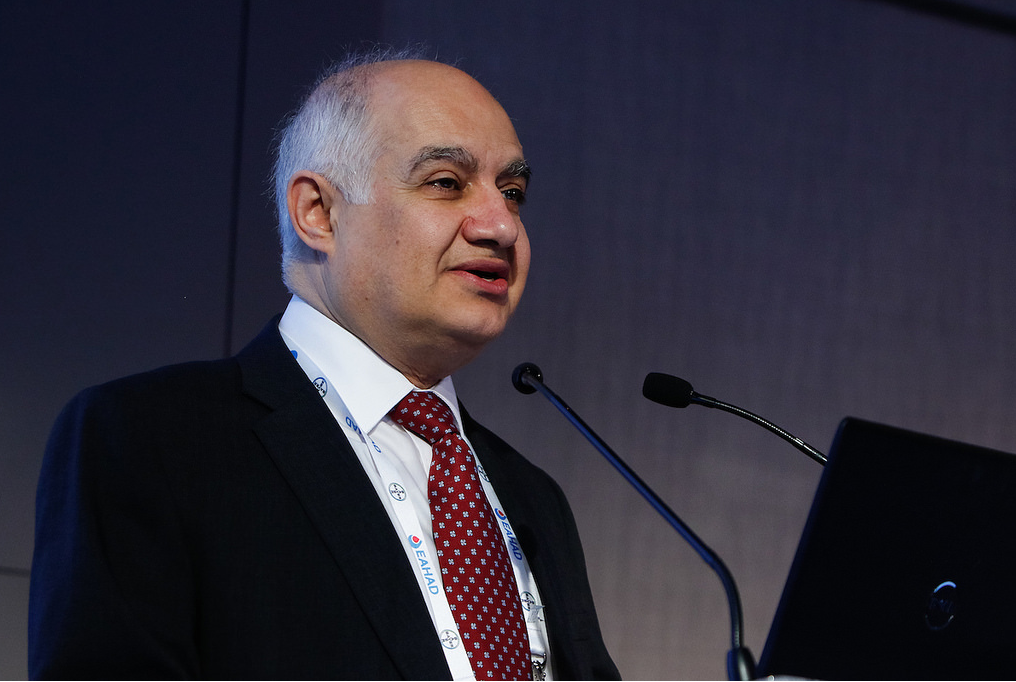
The Angelo Bianchi Bonomi Haemophilia and Thrombosis Centre, under the direction of Prof Flora Peyvandi, developed an interactive online registry, accessible to doctors and patients through a free smartphone app and web portal. Called mAPPHemo, the application allows for data collection on post-marketing surveillance of new haemophilia drugs.
By Christopher Ludlam, Chairman, Steering Group
The EAHAD databases of genetic variants in clotting factors VII, VIII, IX and VWF continue to be very popular with clinicians and researchers from around the world. Our curators strive to keep the records up to date and to provide detailed, additional clinical information about, for example, the presence of inhibitors. The provision of molecular models revealing the site of variation is particularly useful, as demonstrated in the figure below.
Are you a member of the EAHAD community? If yes, then you need to check out the newly launched EAHAD Membership website. By logging in with your individual username and password, you will have at your fingertips answers to all your questions like:
This week, Wiley appointed Prof Cedric Hermans as the new Editor-in-Chief, of Haemophilia, the official journal of EAHAD. Prof Hermans, EAHAD’s Past-President, replaces Prof Michael Makris and Dr Craig Kessler, who step down from their editorial posts this month and at the end of the year, respectively.
For the past three decades, haemophilia A and B patients have been treated using FVIII and FIX replacement concentrates. These therapies are well known to clinicians and patients.
A promising new era has now begun in the treatment of haemophilia and rare bleeding disorders. A series of novel, non-replacement therapies are becoming available, which may significantly impact the clinical care and quality of life of patients. The European Association for Haemophilia and Allied Disorders (EAHAD) and the European Haemophilia Consortium (EHC) welcome all novel therapies that have a meaningful impact on patients' treatment, care and quality of life.
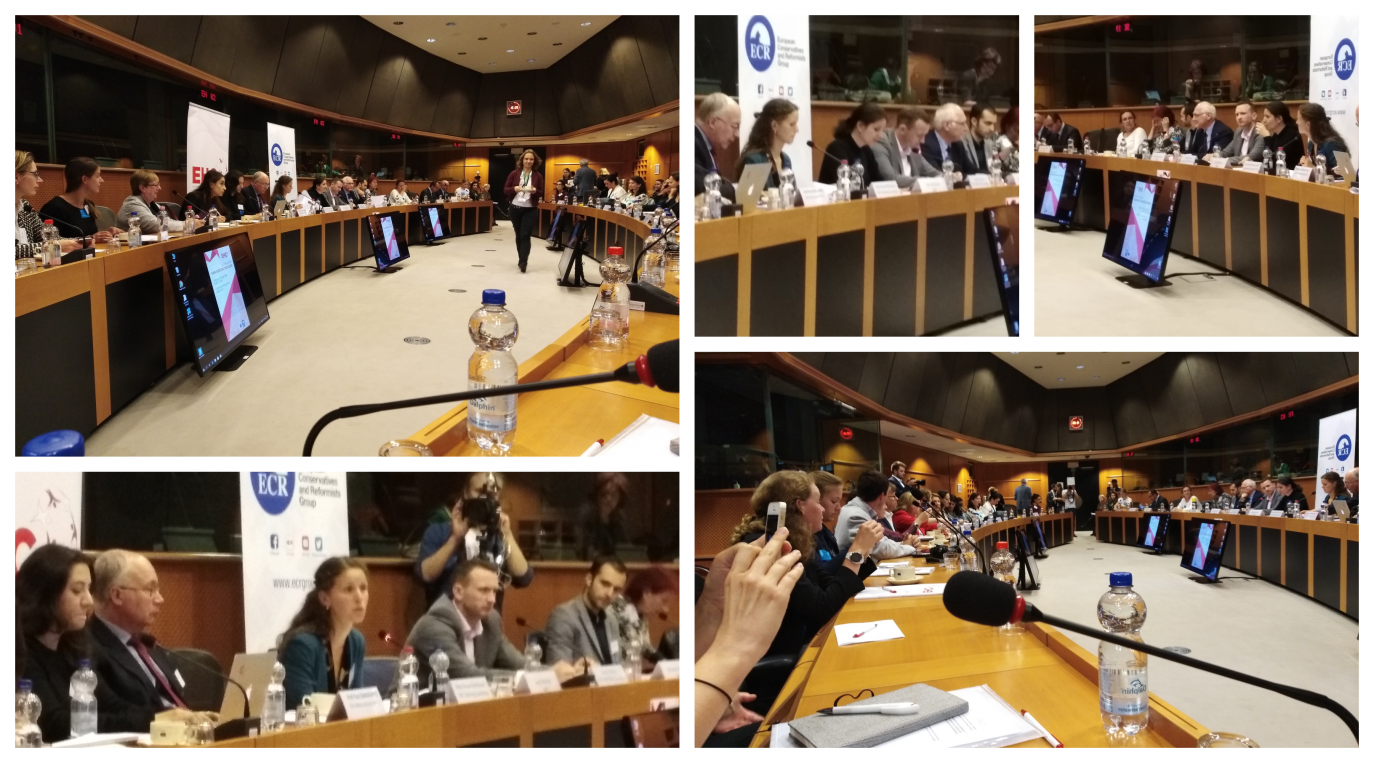
On 19 June, EAHAD participated in the Round Table of Stakeholders on “Women and Bleeding Disorders”. Organised by the European Haemophilia Consortium (EHC), the event took place in the European Parliament in Brussels. Members of the European Parliament from different political groups also participated in the event, with Jana Žitňanská, MEP, chairing the Round Table.
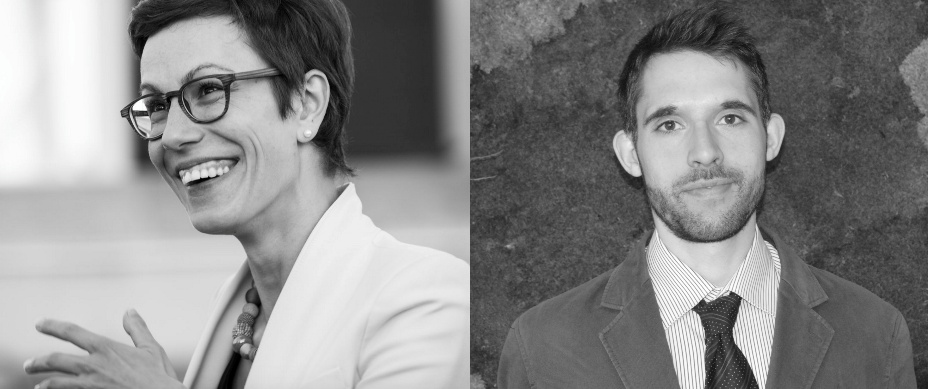
A main goal of EAHAD going into the future is increasing its employee base in order to provide a better service to our members. Towards this goal, two new staff joined the EAHAD team this year. In April, Livia Boagiu was hired as EUHASS Project Manager and in June Angelos Athanasopoulos took on the role of Communications and Events Officer.
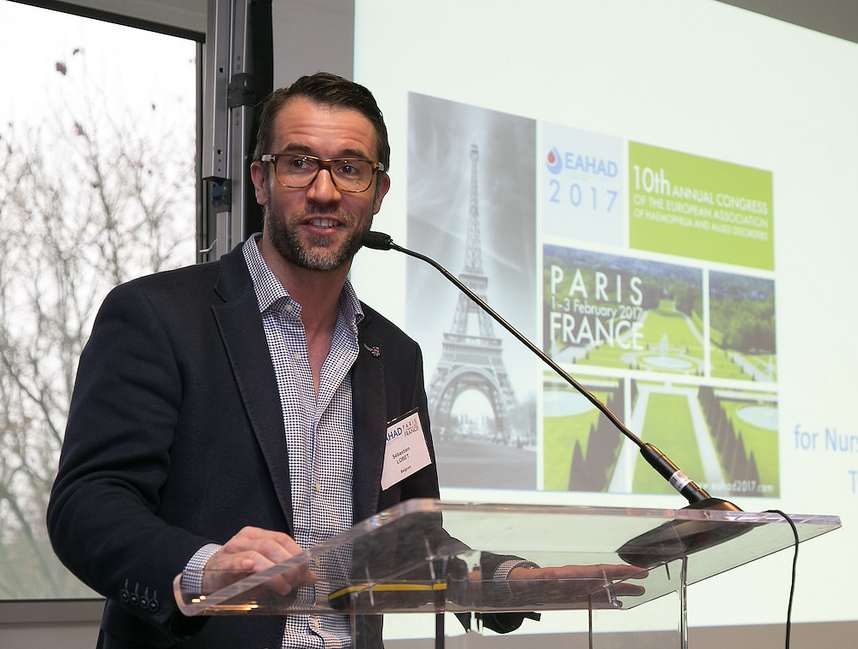
In February, Dr Sébastien Lobet became the new Physiotherapists Committee Chair, taking over from Mr Piet de Kleijn. At the EAHAD Congress in Madrid, Spain, we sat down with Dr Lobet and asked him to shed some light on his background, the highlights and challenges associated with his work, and his ambitions for the committee and for physiotherapy for bleeding disorders in Europe.
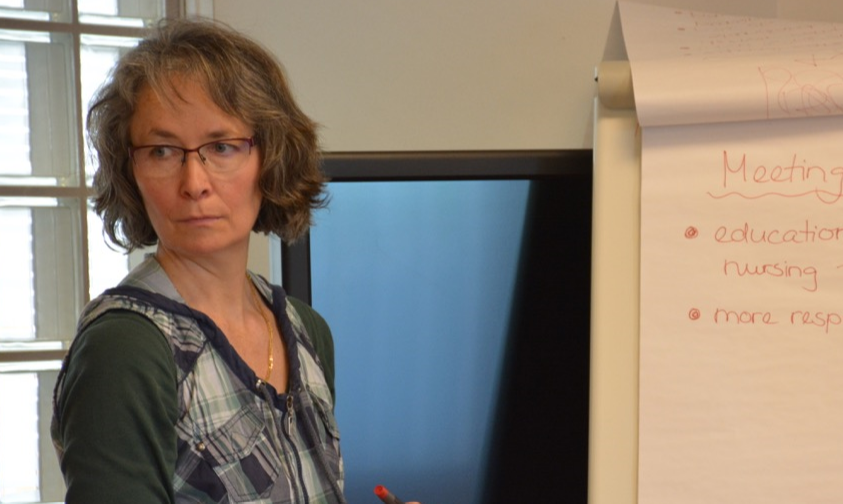
In February, Martin Bedford handed over the reins of the EAHAD Nurses Committee to Elsbeth Müller-Kägi, who will serve as chair for the next two years. By way of introduction, we asked Ms Müller-Kägi a few questions to get an idea of the joys and challenges associated with her work as well as her experience as a haemophilia nurse, both in her country and on the European level.
On 8 February 2018, the EAHAD Annual General Meeting took place in Madrid, Spain. Among other important matters that were discussed, the members voted and elected Professor Mike Makris as the association’s new president. Professor Makris succeeded Professor Cedric Hermans and will hold the position for the next two years (February 2018-January 2020).
To get some insight into Mike’s background as well as his vision and plans for EAHAD over the term of his presidency, we asked him to answer a few questions.